When it comes to fly fishing, there are three primary techniques used to present your fly to a fish: nymphing, dry fly, and streamer fishing. While each method involves enticing a fish to strike, they differ significantly in their approach.
Nymphing: The Subsurface Adventure
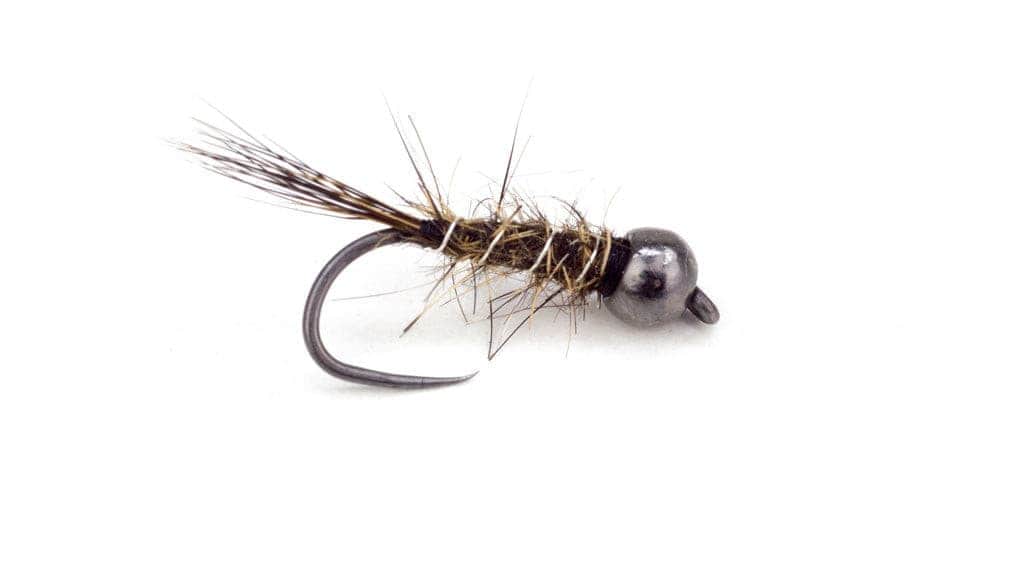
Nymphing involves presenting a fly below the water’s surface, mimicking the immature stages of aquatic insects like larvae and nymphs. These flies are typically weighted to sink and are designed to drift passively with the current, much like their real-life counterparts.
Imagine a nymph as a small creature with limited mobility. It’s just drifting along, waiting for a hungry trout to spot it. Unlike many anglers believe, nymphs don’t bounce along the bottom of the stream. They simply glide underwater, hoping for a quick meal.
Trout are inherently lazy, so they prefer to expend minimal energy to catch their food. That’s why presenting your nymph in a way that requires little effort from the fish can significantly increase your chances of a strike.
Streamer Fishing: The Active Approach
Streamer fishing is similar to nymphing in that both presentations are subsurface. However, streamers are larger flies that you actively retrieve, imitating baitfish, crayfish, leeches, or other creatures that can propel themselves through the water. Think of them as the fly fishing equivalent of a conventional lure.
Streamer fishing is typically used to target larger fish that have grown to a size where they can hunt other creatures. In New Zealand, you might encounter more streamer fishing toward the end of the season and in the autumn months, when fish have become more aggressive and are preparing to spawn.
Dry Fly Fishing: The Surface Game
Dry fly fishing is distinct from nymphing and streamer fishing because it involves presenting your fly on the surface of the water. These flies imitate adult insects like mayflies, stoneflies, caddisflies, midges, and even terrestrial insects like grasshoppers, ants, and beetles.
When presented correctly, a dry fly represents a delicious meal for a trout. Watching a trout rise to take your fly is a truly rewarding experience. However, it also requires precision and technique. Landing your fly too heavily or disturbing the water can scare off wary fish.
A Special Mention: Mouse Flies
In certain years, New Zealand’s beech trees produce an abundance of seeds, leading to a population boom of mice. This abundance of food can entice mice to swim across streams to reach more seeds. And where there are mice, there are trout.
Trout are opportunistic feeders, and a swimming mouse can be an irresistible target. During these “mast years,” you might encounter anglers using mouse flies, which are streamer patterns designed to mimic a swimming mouse. These flies are typically fished on the surface, making them a unique combination of dry fly and streamer fishing.
Whether you’re a seasoned angler or just starting out, New Zealand offers a diverse range of fly fishing opportunities. Understanding the three primary techniques—nymphing, dry fly, and streamer fishing—will help you make the most of your fishing adventure. Remember, practice makes perfect, so spend some time honing your skills before heading to the beautiful waters of New Zealand.