Sharpening Your Fly Fishing Skills for New Zealand’s Wild Trout
New Zealand is a dream destination for anglers seeking to test their limits, but success here often depends on sharpening your fly fishing skills. With its wild and highly cautious trout, New Zealand’s rivers demand precise technique and preparation. However, many visiting anglers leave disappointed, often due to two key factors:
New Zealand’s trout are entirely wild and exceptionally unforgiving.
Fly presentation often falls short of what these wary fish demand.
While you can’t change the nature of the trout, you can sharpen your skills to match their high standards. Below are practical strategies and tips to elevate your performance on New Zealand’s rivers.
Eliminate Excessive False Casting
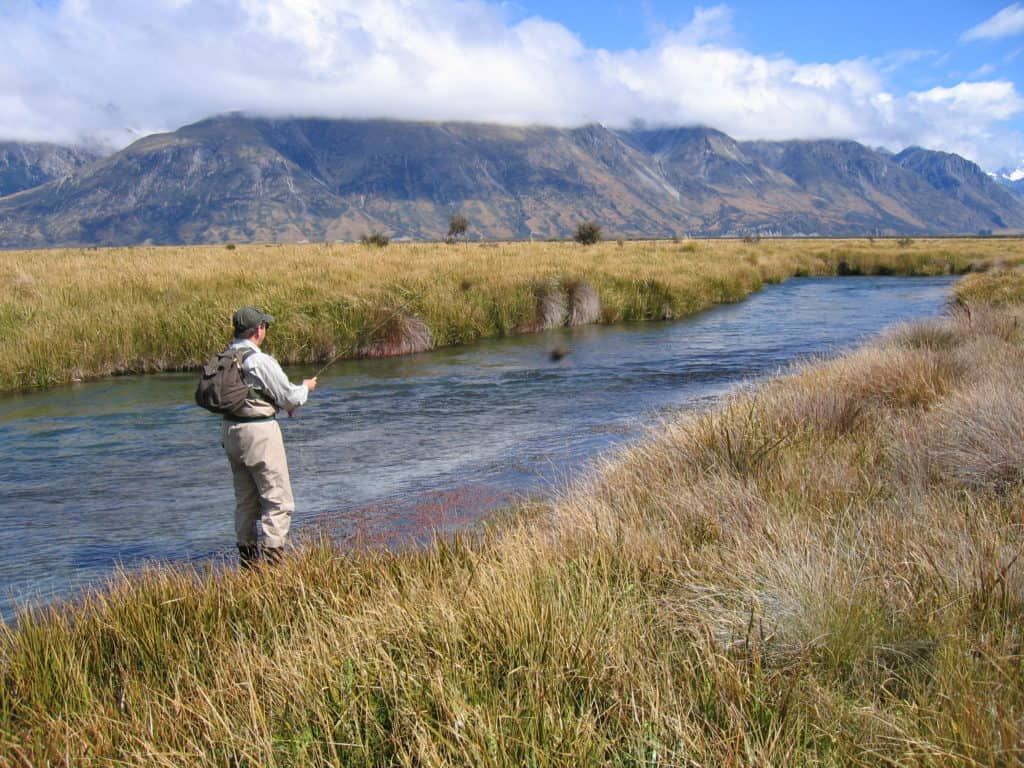
One of the most common mistakes is excessive false casting. Each unnecessary false cast increases the chance of spooking trout with the flash of light off your rod. Some anglers make a dozen false casts for a 10-meter (30-foot) distance—a habit that not only wastes time but also alerts the fish.
Streamline Your Casts
Aim to limit yourself to one or two false casts.
Focus on quick, efficient movements.
Trust in your rod and line balance to achieve the necessary distance without overcompensating.
In riffle situations, trout often move upstream or downstream in a circular feeding pattern. Excessive false casting can allow the fish to spot you before your fly even hits the water. Quick, deliberate casting increases your chances of success.
Shoot Your Line Quickly
New Zealand’s trout often present fleeting opportunities. Cruising fish may only be visible for 20–30 seconds before vanishing into deeper water or under overhanging vegetation. The ability to “shoot” your line quickly is vital in these moments.
A simple cast of 10 meters should be quick and efficient: whish, whish, deliver. If your fly isn’t in the water, you’re not fishing. Excessive aerial casting wastes time and opportunities.
Key Tip: Prioritize speed and efficiency over perfection. A functional cast is better than a flawless one that takes too long.
Master Horizontal Casting
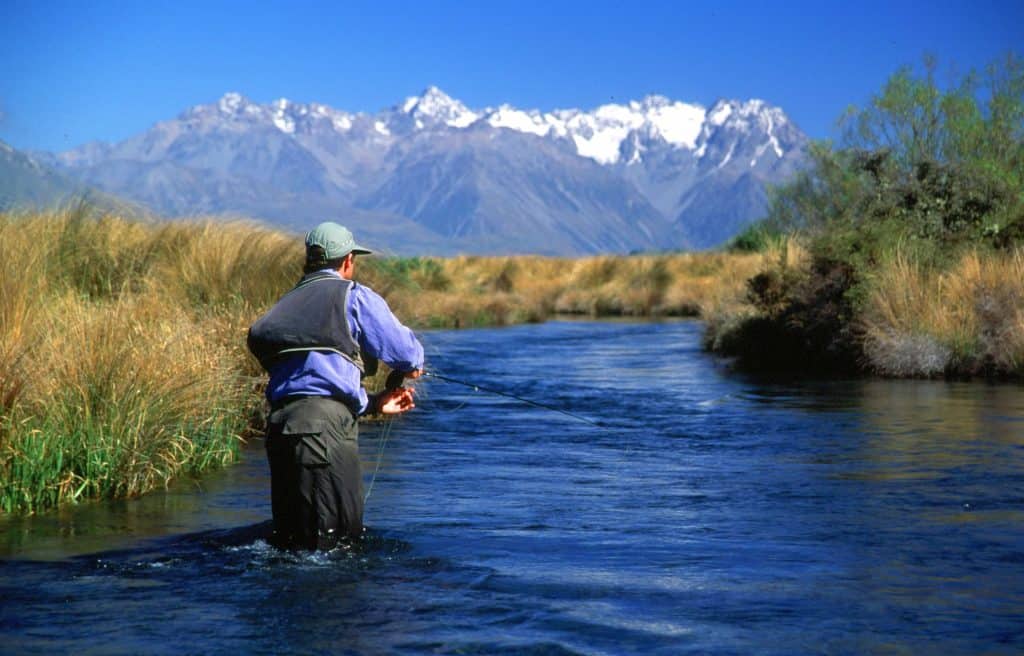
A weak backcast or improper rod angle can sabotage even the best intentions. To achieve optimal power and presentation, your backcast and forward cast should follow a horizontal plane, keeping the line taut and energized. Avoid overextending the rod backward. If your fly or leader touches the water on the back cast, your forward cast will lack power, resulting in a sloppy, noisy presentation that scares fish away.
The late Charles Ritz likened a strong cast to hammering a nail, emphasizing vigor and precision. An American guide once advised an angler to imagine the movements as “Karate!” for the backcast and “Chop!” for the forward cast. This mental image helps to ensure firm, confident strokes that lay the leader out fully and cleanly.
Key Tip: Practice maintaining a horizontal plane in your casts. Use firm, controlled arm movements. Imagine hammering a nail with vigor and precision.
Use Your Line Hand Effectively
When fishing upstream with a nymph or dry fly in fast water, your non-dominant hand plays a crucial role. As the fly drifts back toward you, continuously retrieve loose line to maintain tension. Failing to do so allows slack, making it harder to set the hook when a trout bites.
If you’re new to this technique, practice before your trip to build muscle memory and improve your reaction time.
Avoid Overcasting
It’s better to start with a cast that’s too short than one that overshoots the target. Overcasting risks “lining” the fish—casting over them with the fly line—causing them to scatter. Begin conservatively and adjust as needed.
Tighten, Don’t Strike
When a trout takes your fly, resist the urge to yank the rod dramatically. Instead, tighten the line firmly and steadily. An overly forceful strike, especially with lightweight tippets, can snap the line.
Picture this: a visiting angler recently hooked a magnificent 63 cm (25-inch) trout using a tiny Parachute Adams fly. However, a marlin-style strike broke the 4-pound tippet instantly. To avoid this, condition yourself to think “tighten,” not “strike.”
Prepare Physically
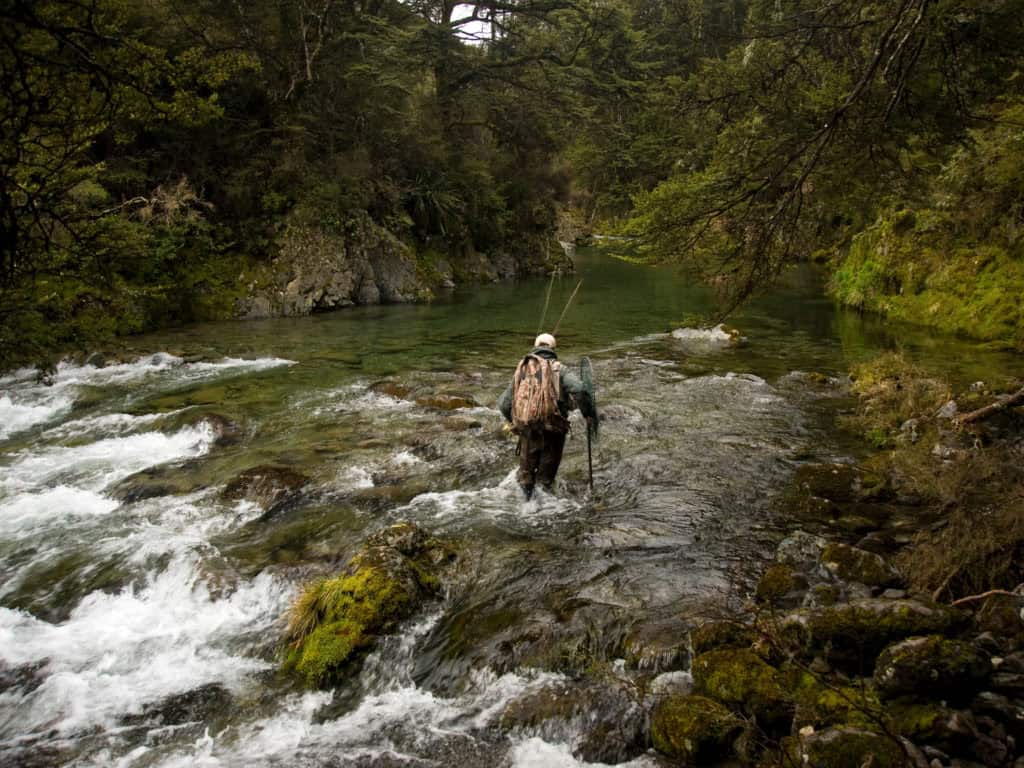
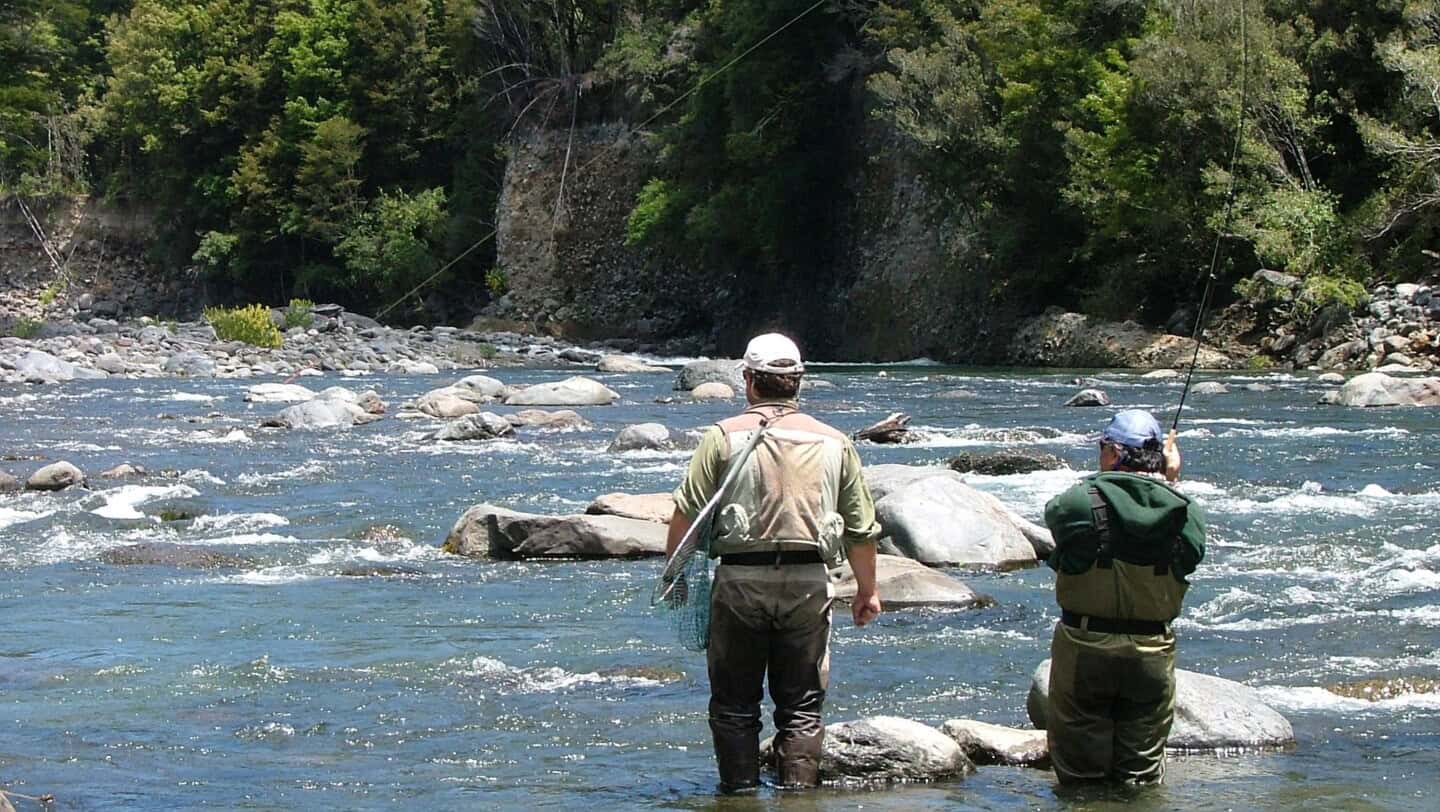
Fly fishing in New Zealand often requires significant physical effort. Some rivers involve long hikes over boulders, and wilderness locations can be particularly demanding.
Fitness Tips for Anglers
Begin a fitness routine several months before your trip.
Incorporate hill walks, stair climbs, and regular hikes into your schedule.
If gym workouts are more convenient, focus on building endurance and leg strength.
Walking remains one of the best exercises to prepare for the varied terrain.
Being in good shape ensures you can enjoy your fishing experience to the fullest. A fit angler can cover more ground and access remote spots, increasing the chances of landing trophy trout.
New Zealand trout fishing is both challenging and rewarding. Success comes down to preparation, skill, and adaptability. Practice casting daily before your trip, and consider taking lessons to fine-tune your technique. By minimizing false casts, improving your line control, and maintaining physical readiness, you’ll be well-equipped to face the world-class trout that await in New Zealand’s rivers.
Remember, the better prepared you are, the more you’ll enjoy this once-in-a-lifetime experience. So, pack your gear, polish your skills, and get ready to create unforgettable fishing memories!
If you’d like more guidance or help planning your New Zealand fishing adventure, don’t hesitate to reach out. Contact us today to start making your dream trip a reality!