Fishing tackle is the foundation of success for New Zealand trout fishing, where the rivers and lakes offer unparalleled opportunities for anglers to test their skills. Fishing in New Zealand isn’t just a pastime—it’s an art form. Across the country, anglers have embraced lightweight fly fishing gear, especially during the summer months. To make the most of New Zealand’s clear rivers and lakes, selecting the right equipment and adapting to the conditions are essential.
Here’s a detailed guide to fishing tackle in New Zealand, covering everything from fly lines and tippets to must-have flies and other essential gear.
Fly Lines: Finding the Perfect Balance
The weight and taper of your fly line significantly impact how effectively you can present your fly to a trout. For most situations, a weight 5 tapered floating fly line strikes the perfect balance, enabling you to use dry flies, nymphs, small wet flies, or even lures after dark. If you want to refine your approach, consider the following:
Lighter Lines (Weight 3-4): Ideal for delicate presentations in calm conditions but can be challenging in windy weather. Heavier Lines (Weight 7-8): Necessary for places like Taupo, where fishing with streamers or deep sinking lines is common.
Wind is a frequent companion on New Zealand rivers, making a weight-forward taper on a weight 5 line a practical choice for most anglers. However, fishing the Tongariro River or its Delta mouth might require heavier gear, depending on your preferred style.
Tippets: Strength Matters
Choosing the right tippet strength is crucial, as it must balance delicacy with durability. Here are some general guidelines:
Clear, Calm Waters: Use a 2 kg (5 lb) tippet for dry flies and nymphs. In exceptionally clear and shallow waters, a 1 kg (2.2 lb) leader may be necessary. Rugged Waters or Larger Trout: Opt for a 2.6 kg (6 lb) tippet to handle bigger fish in challenging environments. Taupo Fishing: For smelt patterns or nymphs, a 2-3 kg (4.5-6.75 lb) tippet is recommended.
Must-Have Flies for New Zealand Waters
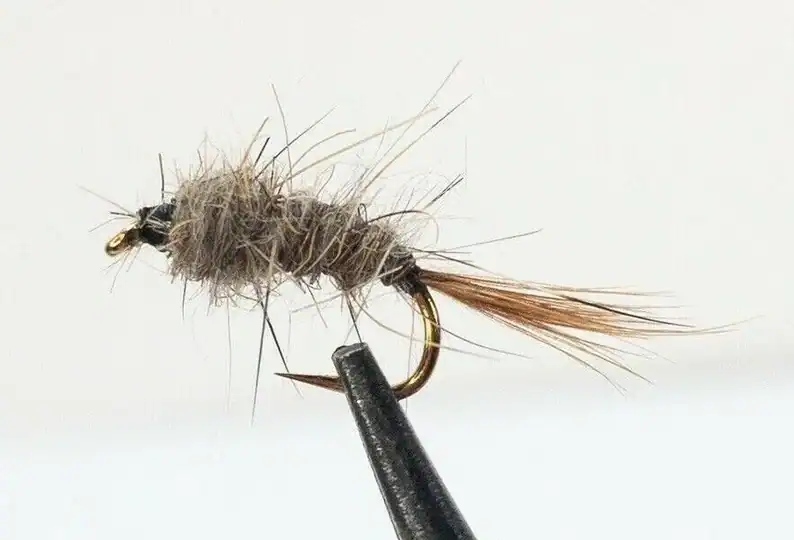
New Zealand anglers have access to a wide variety of fly patterns, blending influences from around the globe. Here’s a curated list of essential flies to pack:
Nymphs
Dry Flies
Streamers and Wet Flies
Streamers like the Grey Ghost, Muddler Minnow, and Hamill’s Killer are exceptional for smelt fishing, while wet flies like the Bradshaw’s Fancy and Grouse and Purple are effective across New Zealand rivers.
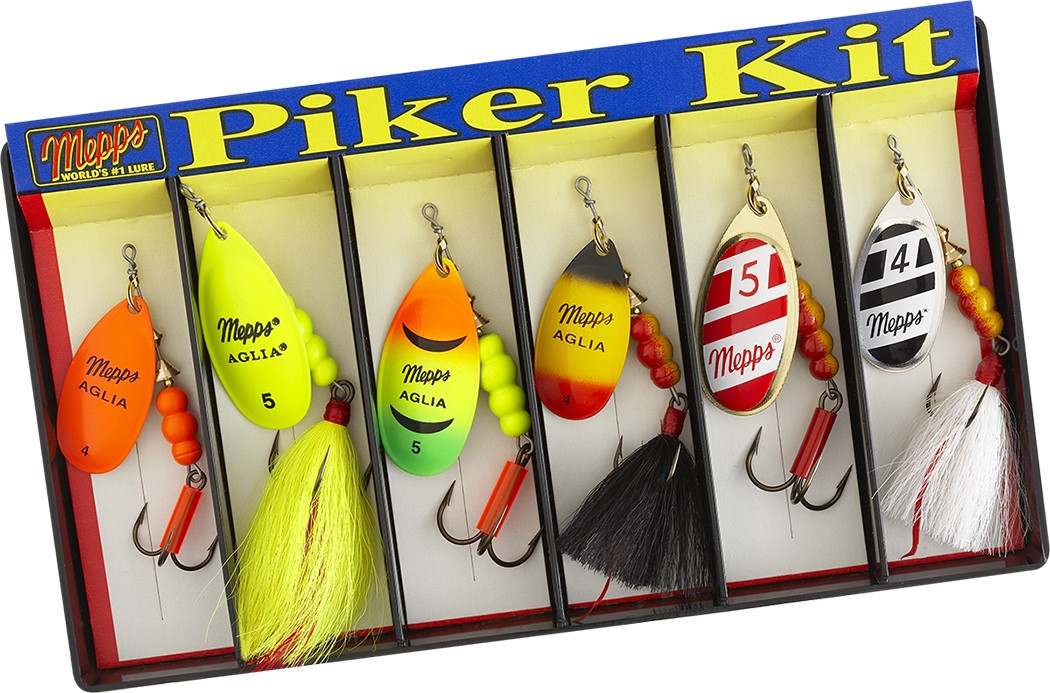
Spinning Gear: A Versatile Option
Spinning is particularly productive during the spring, when rivers are full. Use light nylon of 2 kg (4 lb) breaking strain and small, agile lures like the Toby, Mepps, or Rapala-style lures. For low summer waters, lightweight gear ensures better results. Spin anglers can also experiment with nymphs or streamers by attaching split shot above the fly—a highly effective method for catching trout.
Other Essential Gear
New Zealand’s climate is as varied as its fishing opportunities, so preparation is key. In summer, wading in shorts with felt-soled boots is often more comfortable than wearing waders. However, during colder months or at night, waders become indispensable.
Always pack:
Polarized Glasses: For spotting trout and reducing glare. Sun Protection: Sunscreen and a hat are vital for shielding against New Zealand’s intense UV rays. Insect Repellent: To fend off the persistent sandflies. Warm Layers and Rain Gear: Weather can change quickly, making lightweight but warm clothing, like polar fleece and a reliable rain jacket, essential.
Fishing in New Zealand is as much about the experience as it is about the catch. Whether battling wind on a remote river or savoring the serenity of a tea-colored stream after rain, the memories are priceless. With the right fishing tackle and a little preparation, you’ll be ready to take on New Zealand’s wild trout and create stories worth sharing.