December is a transitional month for insect life in New Zealand. It is the time of the year when spring truly transitions into the beginning of summer, bringing warmer temperatures and increased insect activity. Anglers at this time of the year can expect to target fish with a variety of fly patterns, including dries (which imitate terrestrial insects) as well as nymphs (which imitate aquatic insects).
Below is some input on hooks and a few flies that you may encounter at this time of the year. As a tip: you don’t have to worry about brining your own flies to New Zealand! The guide will have these for you and often, will prefer to use their own flies… because they know what works! However, if you are interested to tie your own or see what is popular, have a look below!
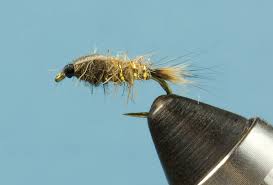
Pheasant Tail Nymph (Epic Fly Rods)
Hook Selection:
Whatever you do, prioritize strong hooks and barbs!
Hookless barbs don’t have much of a place in New Zealand given the strength of New Zealand trout. The combination of low density and larger fish means every time you are put onto one you want to have every advantage you can get to land it! A few specifics for hooks include:
Kamasan B175 or B130: Ideal for nymphs (and even some dries)
KONA universal dry fly hooks: Great for dries size 14 and larger.
Kamasan B160 wide gape: Perfect for beetles, blowflies, Klinkhammers, and willow grubs.
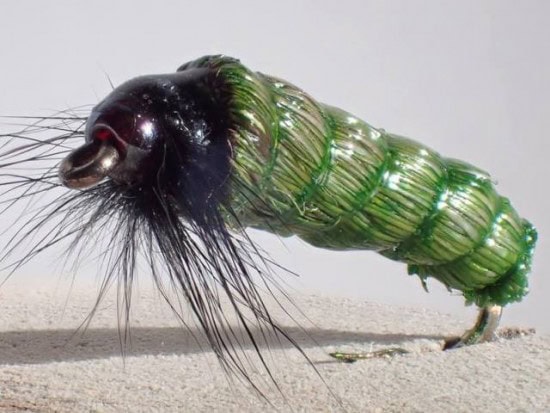
Green Caddis (Photo: flyguys.net)
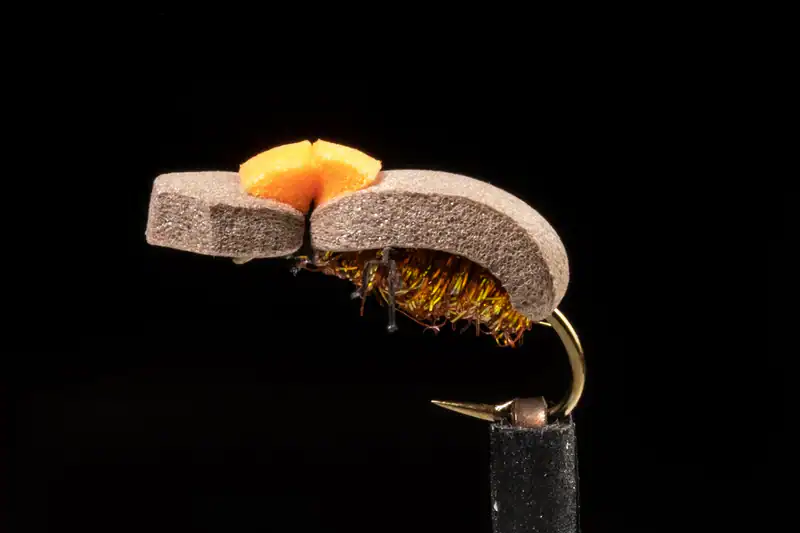
Photo: westcoast.co.nz
Dry Flies
At the outset of summer terrestrial insects such as beetles, grasshoppers, and cicadas will become more prevalent.
Blue Ass Blow Fly: A versatile dry fly that imitates a common insect, especially effective in sizes 12-14.
Foam Manuka Beetle: A buoyant imitation of a native New Zealand beetle, ideal in sizes 16-14.
Foam Brown Beetle: A classic dry fly pattern that can be effective in a variety of conditions, especially in size 14.
Parachute Dad’s Favorite: A highly visible pattern with a hi-vis post, great for attracting fish in sizes 16-12.
Foam Yellow Willow Grub: A small, realistic grub imitation that can be deadly in sizes 18-20.
Huberts Red Spinner: A classic mayfly imitation that can be effective in sizes 16-14.
Hares Ear Body Klinkhammer: A versatile dry fly with a hi-vis post and dark thorax, effective in sizes 14-12. Tie some with grey bodies and some with brown bodies.
Nymphs: December also brings insect hatches like mayflies and caddisflies. Here are a few flies that one may encounter:
Hares Ear Nymph: A classic nymph pattern that imitates a variety of aquatic insects, especially effective with a black bead head in sizes 14-12.
Pheasant Tail Nymph: A simple yet effective nymph that can be fished both unweighted and with a bead head, in sizes 16-10. Use black tungsten bead heads for bead-head versions.
Green Caddis Grub: A realistic caddis larva imitation that can be deadly, especially with a black bead head in sizes 14-12.
We hope you’ve enjoyed this blog post and learning about the beauty and a few fun attractions oo the West Coast.
Dreaming of your own New Zealand adventure? Our team are experts and would love to craft a personalized itinerary to make your trip unforgettable. Let us turn your dream vacation into reality!