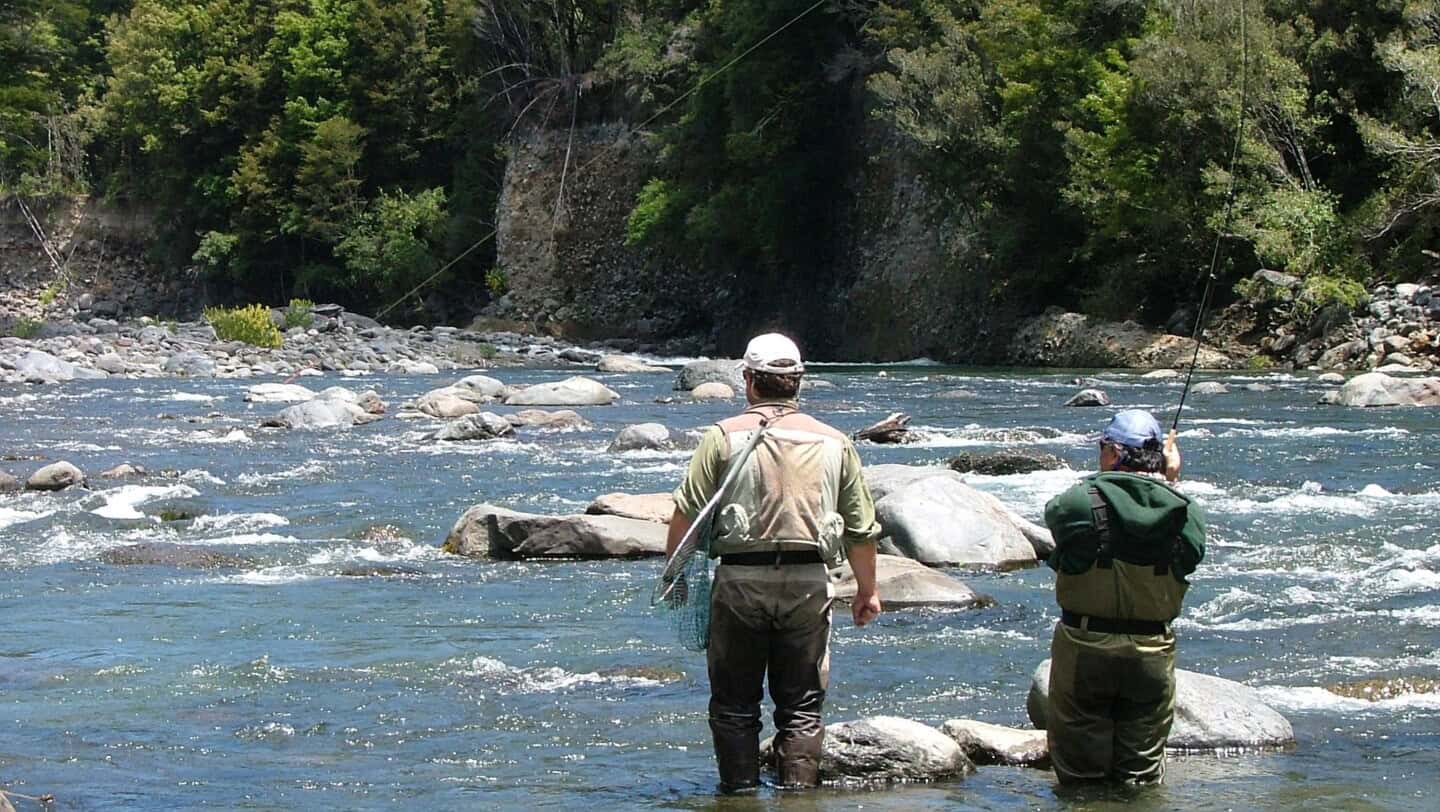
A trophy New Zealand brown trout is one of the most sought after and prized catch for anglers. However, many may not know that it is not native. The introduction to the country began in the late 1860s when the first browns arrived from the Derwent river in Tasmania, where they had in turn been previously introduced from Britain. These early introductions were part of a broader effort by European settlers to establish familiar species in their new home. The success of these initial introductions led to further stockings throughout New Zealand’s waterways, ultimately establishing them as a significant part of the country’s aquatic ecosystem.
The rainbow trout also owe their presence in New Zealand to human intervention. Their introduction began in the late 19th century, with the first fish arriving from California in 1883. These early introductions were met with mixed success, but subsequent stockings from various sources, including California, the United States, and Canada, helped to establish self-sustaining populations of rainbow trout in many New Zealand waters. Today, rainbow trout are widely distributed throughout the country.
Now that we know a little about the history of how these fish came to New Zealand, how about a little information about the native species you may encounter while on the river?
Here’s a closer look at some fascinating species
New Zealand is home to 51 unique species of native freshwater fish, each adapted to thrive in the country’s rivers, lakes, and streams. Some, like whitebait (a West Coast delicacy), follow a migratory life cycle, traveling between freshwater and seawater to reproduce. Others, such as mudfish, are non-migratory, spending their entire lives in freshwater. These native fish are often elusive and challenging to spot. They tend to be nocturnal feeders, staying hidden during the day under natural cover—such as logs, boulders, riverbanks, and dense vegetation. Despite their secretive nature, New Zealand’s native fish occupy a wide range of freshwater habitats, each species uniquely adapted to its environment.
Giant Kōkopu and Īnanga
Often found in lowland rivers, streams, and wetlands, these fish prefer gentle waters and are particularly sought after by nature enthusiasts.
Kōaro
Known for their impressive climbing ability, kōaro can navigate waterfalls, making their home in the high-altitude streams of mountainous regions.
Wai Kokopu
Remutaka Conservation Trust
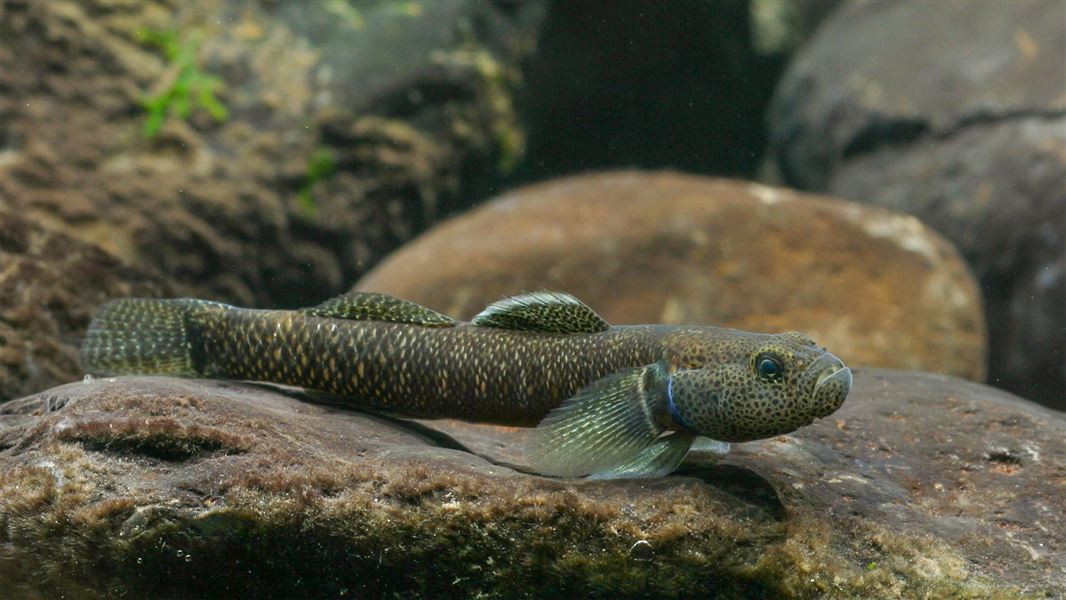
Bullies
With seven distinct species, bullies are among the most common freshwater fish in New Zealand. They inhabit a variety of freshwater settings, from still ponds to flowing rivers.
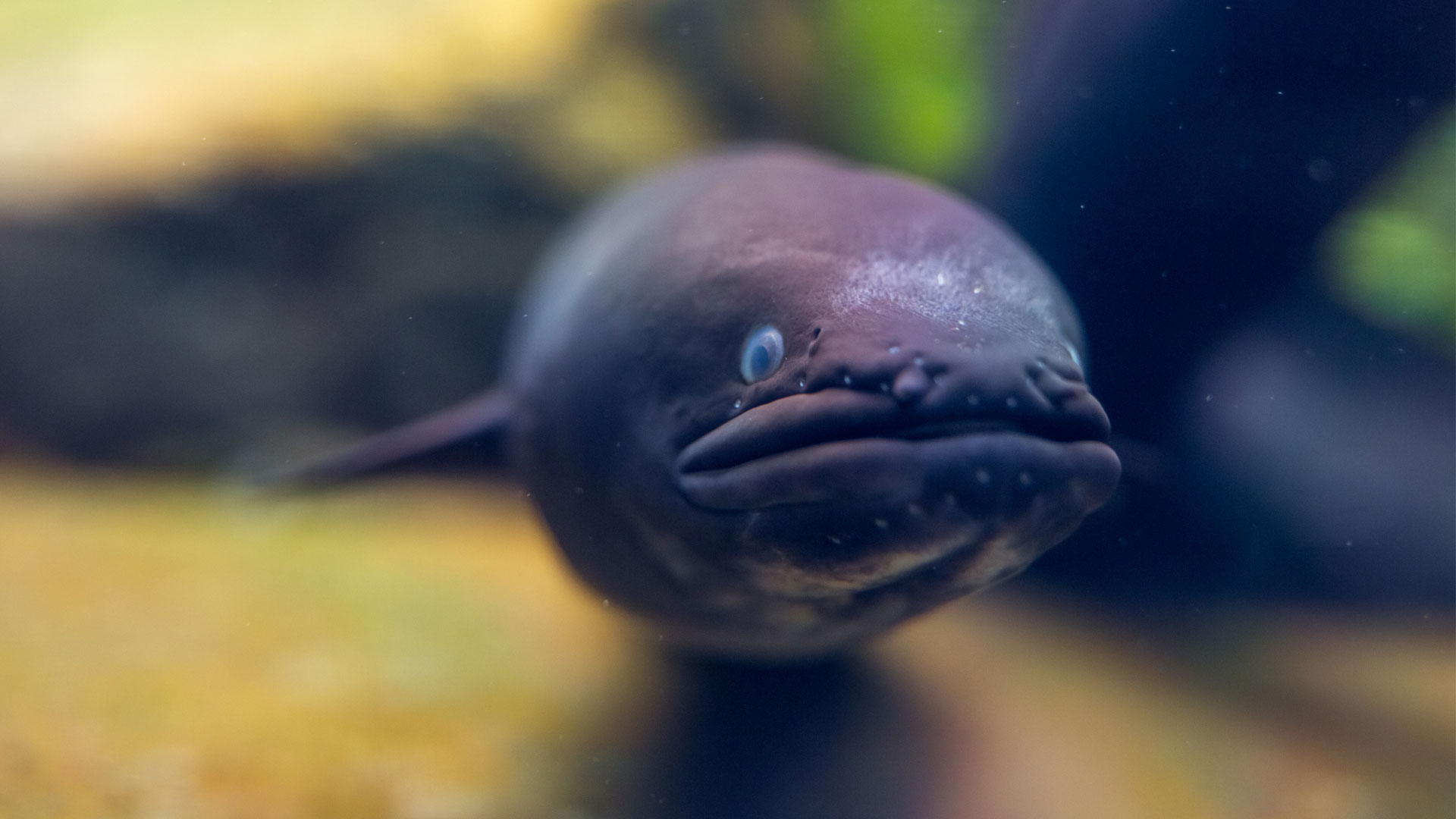
Eels
New Zealand’s eels are known for their epic journeys. After growing to adulthood in freshwater, they return to the Pacific Ocean to breed—a migration spanning thousands of kilometers.
Department of Conservation
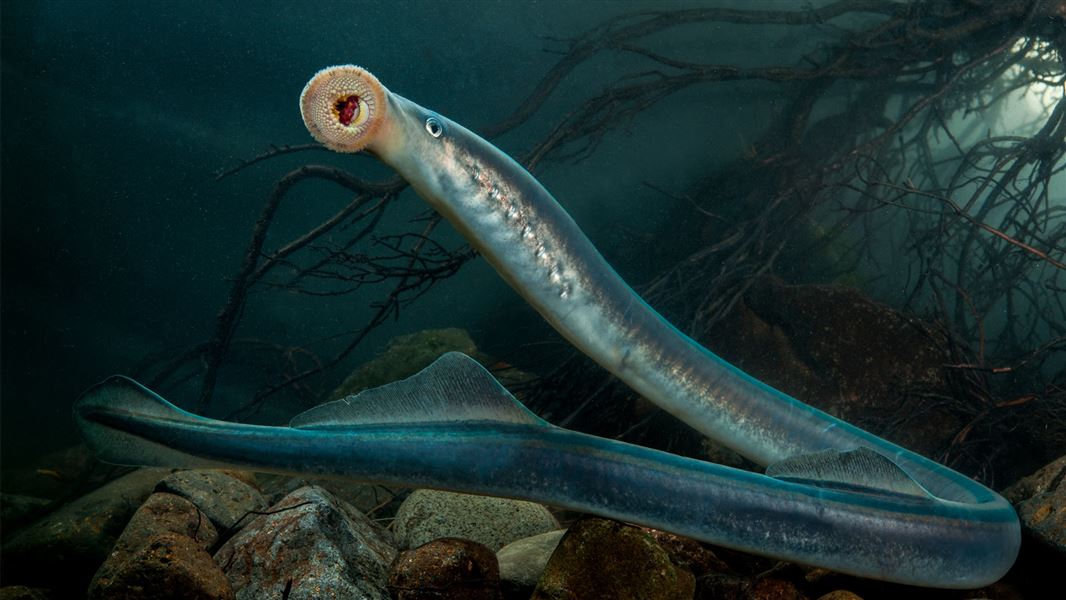
Lamprey
Resembling eels but more closely related to sharks and rays, these primitive, jawless fish are a unique part of New Zealand’s freshwater ecosystem.
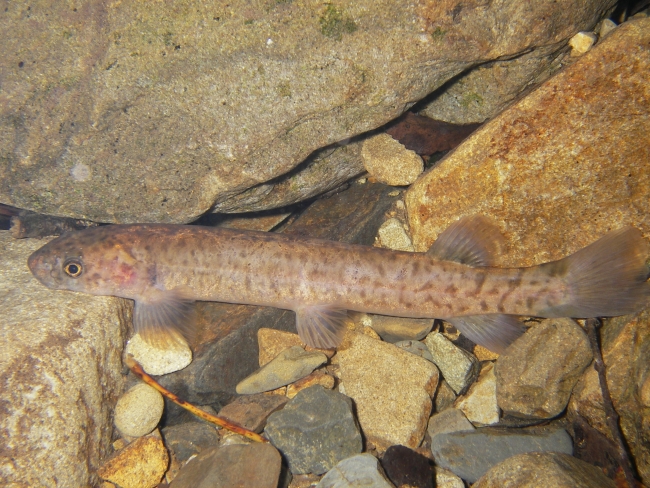
Mudfish
Treasured in Kiwi culture, mudfish are small, native freshwater fish known for their adaptability and resilience in freshwater environments.
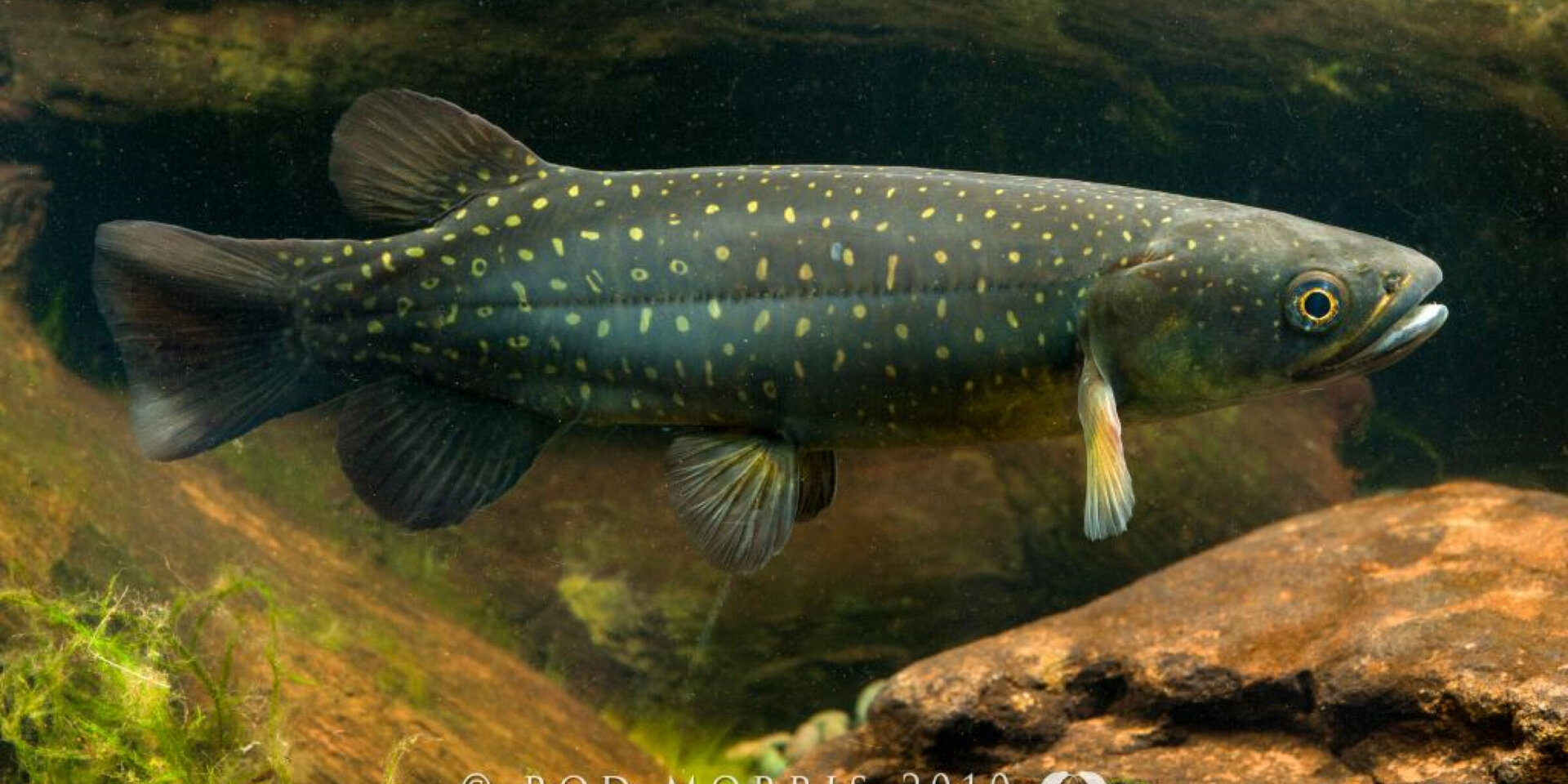
Non-Migratory Galaxiids
Belonging to the ancient Galaxiidae family, these small, scaleless fish sport striking gold flecks on their backs, resembling galaxies.
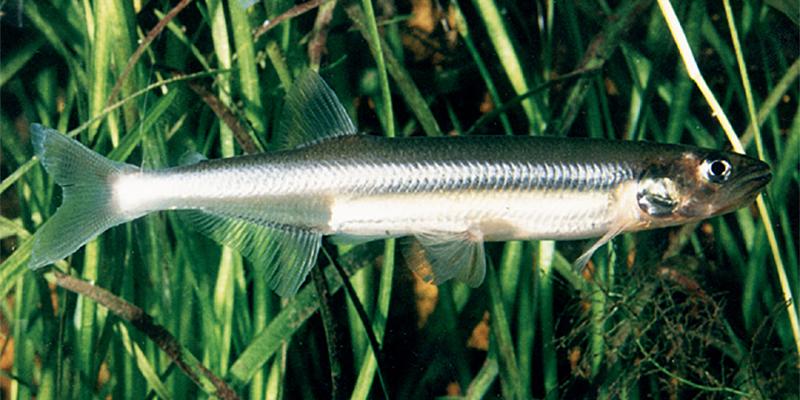
Smelt
Also known as “cucumber fish” by whitebaiters, these small, shimmering fish are prized for their distinct scent and silvery appearance.
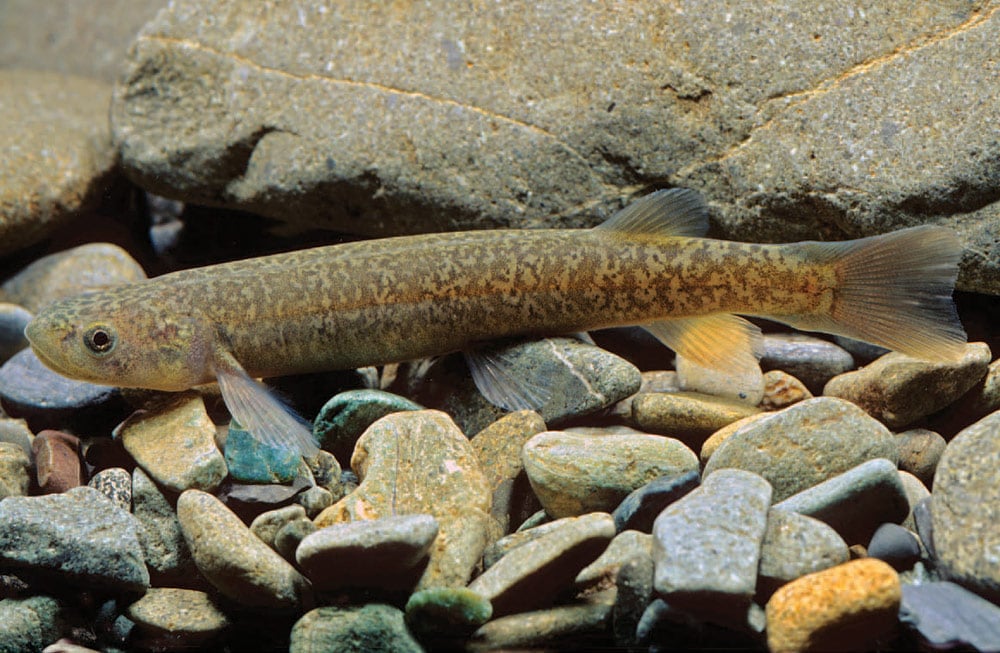
Torrent Fish (Panoko)
This streamlined species is a marvel of adaptation, with a body shape that seems to have inspired the sleek design of the Concorde airplane.
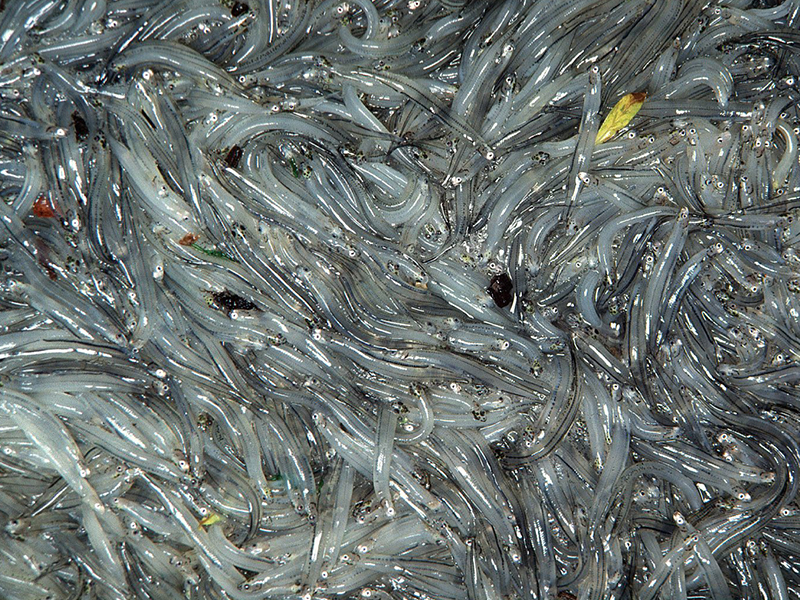
Whitebait
Whitebait are the juveniles of six native fish species, including five migratory galaxiids and the common smelt. Their annual migration and popularity as a delicacy have cemented them as a staple of New Zealand’s fishing culture.
www.epa.govt.nz
The National Kiwi Centre
From the migratory whitebait to the ancient, scaleless galaxiids, each species plays a vital role in New Zealand’s aquatic biodiversity. Together, they form a unique and diverse ecosystem that draws researchers, conservationists, and nature lovers alike. Whether climbing waterfalls, hiding under riverbanks, or journeying back to the ocean, these native fish continue to captivate with their resilience and adaptability.