New Zealand Fly Fishing Itineraries and Travel

New Zealand Fly Fishing Itineraries and Travel

Fishing for Browns in Paradise – New Zealand’s Lake Rotoroa

James O. Fraioli, Contributing Editor

HUNKERING DOWN BESIDE A TOWERING CLUSTER of flax-palms, my felt-sole shoes dig into the sandy shore of New Zealand≠s Lake Rotoroa. Beside me hunkers David Pike, my young Kiwi guide, who watches as two German brown trout – both in the four-pound range – forage in the shallows. At my feet lies enough fly line for a cast; the small of my back tightens in anticipation. The warm sun and the whooshing of a nearby river are hypnotic, and my mind wanders across the snow-capped peaks of the Travers Mountain Range stretched out in front of us. “Put a cast three feet in front of them!” directs Pike, snapping me out of my trance. I had been reading up on and practicing my casts back home but am now faced with the ultimate test. Pike, a native of New Zealand who has fished these waters since childhood, tracks the trout through his polarized sunglasses. The trout continue to swim in lazy circles, zeroing in on anything that wrinkles the surface. I raise my right arm slowly, gently cradling the fly line in my left. Struggling for balance, I begin false-casting, hoping I don≠t spook the fish in the process. “Okay, drop it,” Pike whispers. “Now wait…wait…” One of the browns spots my sinking nymph and races in. “Watch your indicator.” Pike≠s voice is tense. A little piece of white fuzz tied to my line bobs motionless – then twitches. “Hit it!”

Remote Lake Rotoroa (above), 12 miles long and 460 feet deep on New Zealand≠s South Island, offers some of the best brown trout fishing in the world.

When I respond, my reel sings as the big trout peels off line. The weight at the other end of my rod causes me to laugh out loud. My first New Zealand brown!

New Zealand is one of the world≠s great angling destinations. And Lake Rotoroa, nestled at the northern tip of New Zealand≠s spectacular Southern Alps, is considered to be the crown jewel in South Island≠s Nelson Lakes National Park. Far from the madding crowd, the glacial water of this isolated and unspoiled lake feeds the area’s many rivers and creeks, which support a thriving and sustainable brown trout fishery. At 12 miles long, a mile and a half wide, and 460 feet at its deepest, Lake Rotoroa is the largest lake in the park. It≠s surrounded by a mixed beech-podocarp forest that offers fishermen complete tranquility and privacy – important elements that bring guests back to the lake time and again. Famous for its clean, green environment, Lake Rotoroa and its neighboring rivers are a trout fisherman≠s paradise, offering some of the most pristine and productive locations imaginable. Travelers have always been captivated by New Zealand≠s remote beauty; after all, with just four million people in the country, there≠s a lot of room for scenery. And with one-third of its land protected by national park status, the wilderness is always close – and plenty of wilderness means plenty of fishing opportunities. One measure of any trout experience is how often one can find and catch fish. At Lake Rotoroa, and on its 40 nearby rivers, that happens a lot. The region is one of the best fly-fishing areas in New Zealand and, with the introduction of the German brown trout in the latter part of the 19th century, an international reputation has developed. Last March, I spent four days at renowned Lake Rotoroa Lodge, sampling this great brown trout fishery. During my visit, I was invited to try both lake and river fishing – and caught plenty of respectable fish in both locales. Often using the sun and cloudless sky to our advantage, my veteran guide Pike and I would walk miles of shore to sight, stalk, and cast to magnificent trout in crystal-clear waters. Sight-fishing, as it’s called, is extremely popular – creeping up on a trophy brown trout really gets your adrenalin flowing.

For hours, we would scan for brownish-gray shadows, strategically position ourselves as close to the water as we could, make a full cast directly at the fish, and land dozens of hefty browns after well-fought battles. The trout ranged from four to six pounds, although fish over 10 pounds are reported every season. With so many impressive fish in the lake and rivers, it’s easy to get spoiled, and, at times, I would find myself annoyed when landing a two-pounder – a memorable catch in most parts of the U.S.

The Lake Rotoroa experience includes the comforts of a traditional sportsman’s lodge (above), fishing truly alone (center), and the beauty of a pristine landscape (opposite). On a couple of occasions, dark storm clouds would drift overhead and we had to rely on “blind” fishing – casting into a pocket of water that may not be holding any fish. This is when keen eyesight, polarized lenses, and quick reflexes are the difference between landing and missing a strike. Alternate guide Richard Booth would tie a piece of white lamb≠s wool – the strike indicator – above my nymph. After the cast, he instructed me to focus on the indicator, especially in fast-moving water. As soon as the indicator hesitated or stopped, I would need to set the hook. If the indicator completely disappeared, that would often mean I was too late and the trout had already inspected, tasted, and spit out my bait. At Rotoroa, nymph-fishing is the preferred method, unless trout are on the rise, when switching to a local dry fly or standard attractor pattern (like a Royal Coachman) promises a strike. The most important tip to ensure a successful fishing trip in a foreign country like New Zealand is to listen to and trust your guide. A guide is not merely a convenience or luxury but an essential. These experts have most likely studied the local waters since they were kids running home from school to go fishing. They know every hole, are able to spot a lurking shadow long before you can, and, more often than not, can guarantee plenty of action if you follow their advice. “The trout fishing in New Zealand is different” says Carmen Garcia, a chiropractor and avid fly-fishing enthusiast from Delaware. “So I always fish with a guide. There are holes that might look great but aren’t holding any fish. Conversely, many of the really big trout are lying in spots where normally, back home, I wouldn’t fish.” After four remarkable days, I found myself exhausted, having landed dozens of prized brown trout, all of which we released unharmed.
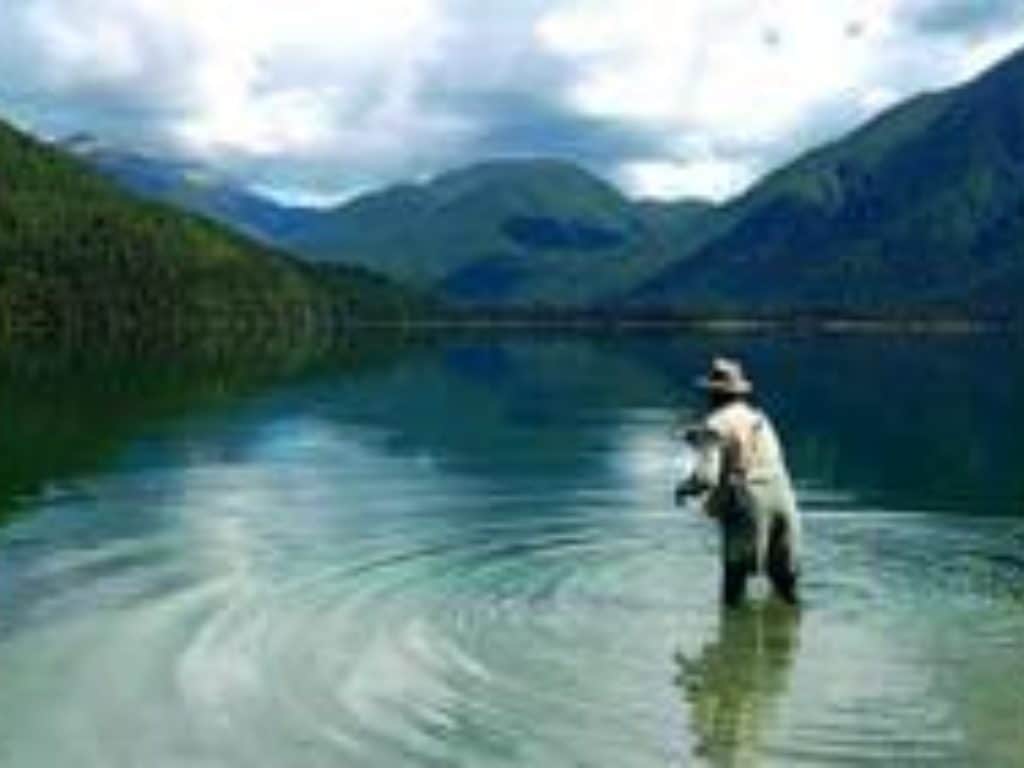
Lake Rotoroa Lodge (above right) offers both lake and river fishing. Above left: Fishing guide David Pike shows off a freshly caught German brown. Located seven miles down a country road that winds through the Gowan River Valley, the Edwardian-style Lake Rotoroa Lodge sits in the midst of paradise. Waves from the lake gently lap at the shore and spill onto the lodge≠s front lawn. Birdlife is astounding. One morning before breakfast, I walked out to feed the black swans and paradise ducks that frolic along the shore. Later, I learned that much of New Zealand – as one of the last places on the planet to be settled by humans – features many species of flora and fauna found nowhere else on earth.  From October through April, Lake Rotoroa Lodge – with its impeccable service, culinary extravaganzas, full bar, and wine cellar – is famous for bringing together trout fishermen who travel internationally to find the finest guides, best fishing, and most beautiful settings in the world
“Comfort and satisfaction is our only concern” say lodge managers Brent and Sharleen Hyde. “During your stay, you will be looked after by a friendly and dedicated team who always ensure your individual needs are known and met.”

I found Lake Rotoroa to be the ideal place to get away from it all, while being surrounded by some of the finest brown trout fishing on earth. I can≠t wait to go back!

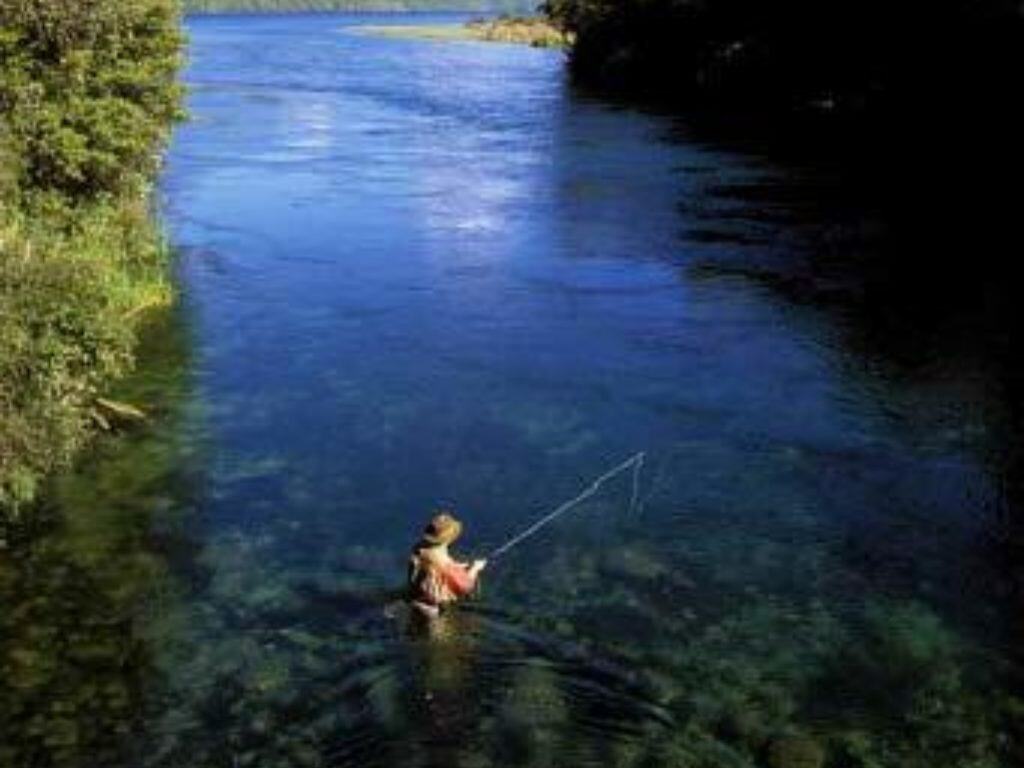
Simply spectacular: The snowcapped Travers Mountain Range (above) forms a backdrop for a fisherman casting upstream toward Lake Rotoroa.
Tags

More Posts Like This

As reported in my early articles on fishing in the Early Season, the New Zealand fishing guides and lodge owners have told me for years that some of the best fishing in New Zealand is in the early season after the streams have been closed for five months.


Having experienced successful early season fishing in October 2005 and again in late October/early November 2007, I wanted to check out the fishing in early December.

After another easy overnight flight and eight hours of sleep in a flat bed seat (and a sleeping pill) on Air New Zealand, I arrived in Auckland in the early morning where I easily cleared Immigration and Customs. Biosecurity looked at my Simms waders and this time determined they were clean and did not need to be disinfected.

I then met my friend and business partner (fly tying operation & archery equipment distribution) from the Kingdom of Bhutan, Ugyen Rinzin, who arrived a couple of hours later from Hong Kong. I had fished with Ugyen in Bhutan in September and wanted to show him that the big fish he caught on our trip to New Zealand in 2007 were normal for New Zealand.

First we headed to the Bay of Islands so Ugyen could experience saltwater fishing for the first time. After an easy drive to Opua we took the small ferry across the bay and drove to the Te Manaaki Villa Bed & Breakfast in the quaint town of Russell.

Russell was the first capital of New Zealand and one of the first European settlements. The town is rich in history with a variety of shops and services that do not spoil the old charm. Hours can be spent in the museum tracing the town’s history from the first European settlers, through its whaling and marine history. Even the headstones at New Zealand’s first church have a story to tell.

Te Manaaki Villa is owned and operated by Dudley and Sharyn Smith who have been good friends of mine for twenty years. Dudley has been an owner and Captain of fishing boats in the Bay of Islands for 25 years and now owns and operates the ≥Triple B≈. Dud was one of the first to offer a quality saltwater fly fishing experience in the North Island’s beautiful Bay of Islands.

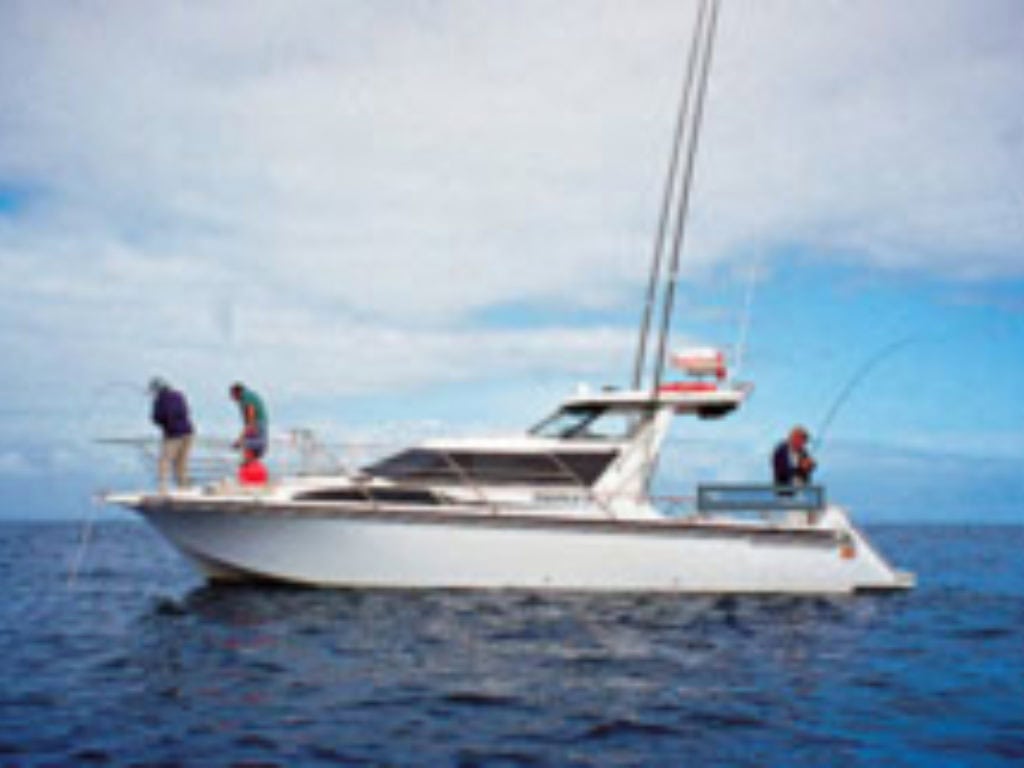
The ‘Triple B’ is ideal for all fishing options – Fly Fishing, Light Tackle, and Big Game Fishing – and is especially suited for a combination of fishing and island sightseeing cruising.

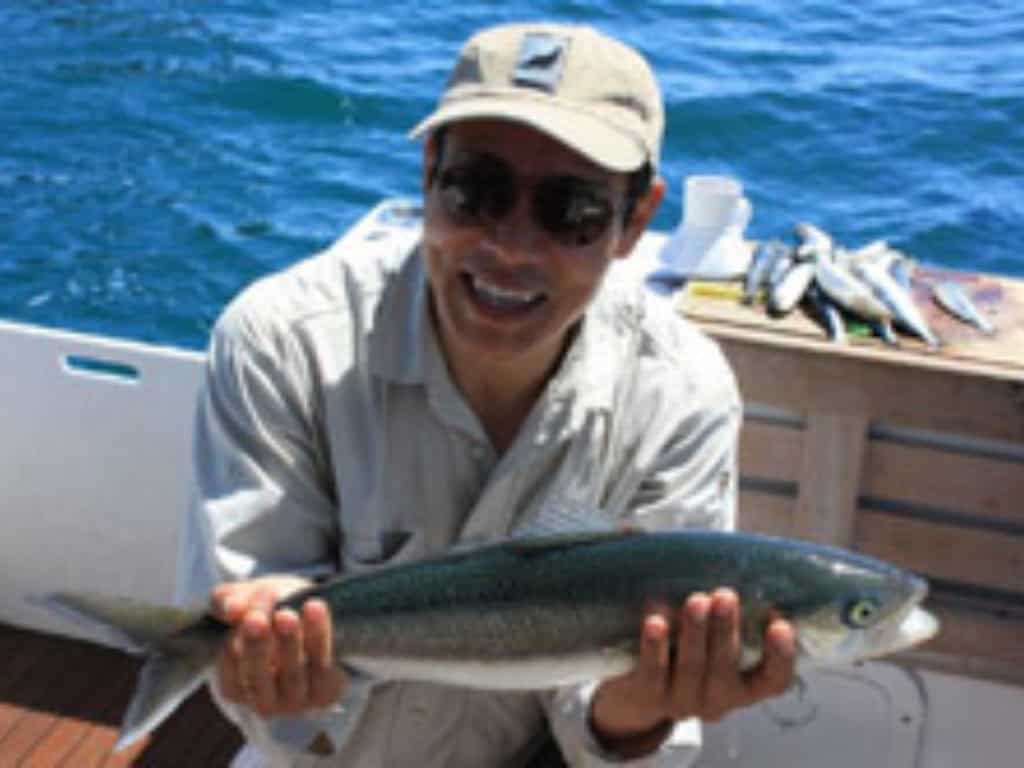
We headed out the next morning with Dud and deckhand, Chris, on a beautiful, sunny, & calm day. The day included some spectacular jigging for snapper and fly fishing for Kahawai. We were back at the wharf in time for a late lunch on the waterfront and a tour of the historic Swordfish Club. Dud then barbequed one of the snappers we caught, for a delicious dinner.

We were off early the next morning for a long drive to Poronui. From my first visit years ago Poronui has evolved from a rustic fishing camp into one of the world’s finest fishing lodges.

Our drive was made longer by two hours to return to Te Manaaki for pants I had left hanging in the closet (first time I have done that), but we still arrived at Poronui in time for a tour of the Safari Camp; Blake House; wine cellar; and other facilities before the cocktail hour and the opportunity to meet the other guests.

The next morning after breakfast a helicopter landed on the lawn outside the lodge and we were off with our guide, Ben.  First an aerial tour of the 16,000 acres of Poronui and much of the adjoining 500,000 acreas of Maori lands to view the various streams and beats fished from Poronui.

We then landed beside a small crystal clear stream that no one had fished so far this season.

We had a terrific day of fishing for bright colored Rainbow & Brown Trout -using both nymphs and dry flies:and at times with a dropper with a nymph tied off the dry fly.

From Poronui we drove to Rotorua for a flight to Queenstown on the southern end of the South Island.  From Queenstown we drove in rain for approximately two hours to Cedar Lodge located in the Makarora Valley.

Thirteen years ago Cedar Lodge owner, Dick Fraser, joined me in a fishing trip to the Kingdom of Bhutan so our arrival was a mini-reunion for Dick & Ugyen.

After dinner Dick shared his photo album and tales of our Bhutan fishing trip with the other guests staying at the lodge.

The area had experienced heavy rains for several days and many of the rivers were high & muddy;and unfortunately not fishable.  However, all fishing at Cedar Lodge is by helicopter fly out so after breakfast the next morning Ugyen and I departed by helicopter with our guide, Paul.

We flew into a beautiful valley with a very small stream (see photo below) where the water level was high, but clear. The higher water made spotting the fish more difficult, but our guide was up to the challenge and repeatedly pointed out fish that I could not see.

The small stream seemed to hold the trout, both Rainbow and Brown, in pockets next to the fast water and close to the bank.

When hooked, the fish would tear off down stream which fortunately did not spook the fish in front of it. In one 20 yard stretch Ugyen and I (taking turns) managed to hook seven fish and land five of them.  Ugyen departed for the airport the next morning to fly back to Bhutan via Hong Kong and Bangkok and while I spent the next week visiting a number of new properties; meeting new owners and/or managers at properties that we already use; and checking out the improvements at some properties that underwent refurbishing over the winter.

Then home after once again experiencing The Best; early season fishing.

Read more about Mike’s travels here…

Early Season Fishing Revisited Again

We strongly support the New Zealand Professional Fishing Guides Association and attempt to exclusively use their members to guide our clients — both while staying at one of the fishing lodges listed in this brochure — or on an independent basis.

The NZPFGA is New Zealand’s sole National fishing guide organization and represents the interests of guided anglers and the guiding industry as a whole.

The membership criteria is set at a high level and applicants that satisfy this criteria are invited to become members. The NZPFGA membership represents guides that adhere to the highest ideals and further demonstrate this by their considerable financial contributions and active involvement through advocacy furthering angling ethics, standards and the sustainable management of New Zealand’s fisheries.

Interested in a Wilderness fishing experience where access is by helicopter, hiking, raft, or boat? We can arrange trips with experienced guides for as short as one night in a wilderness hut and/or tent, to trips of over a week. Exploring areas where even helicopters are banned can be rewarding for those fit to walk and willing to rough it.

Are you on a guided sightseeing tour; a cruise visiting New Zealand; a short business trip; or maybe traveling in a motorhome, but want a chance to experience a couple of days of guided fly fishing?? Give us a call –we can coordinate and book an experienced guide who will even provide the necessary equipment for you.

New Zealand Professional Fishing Guides Association

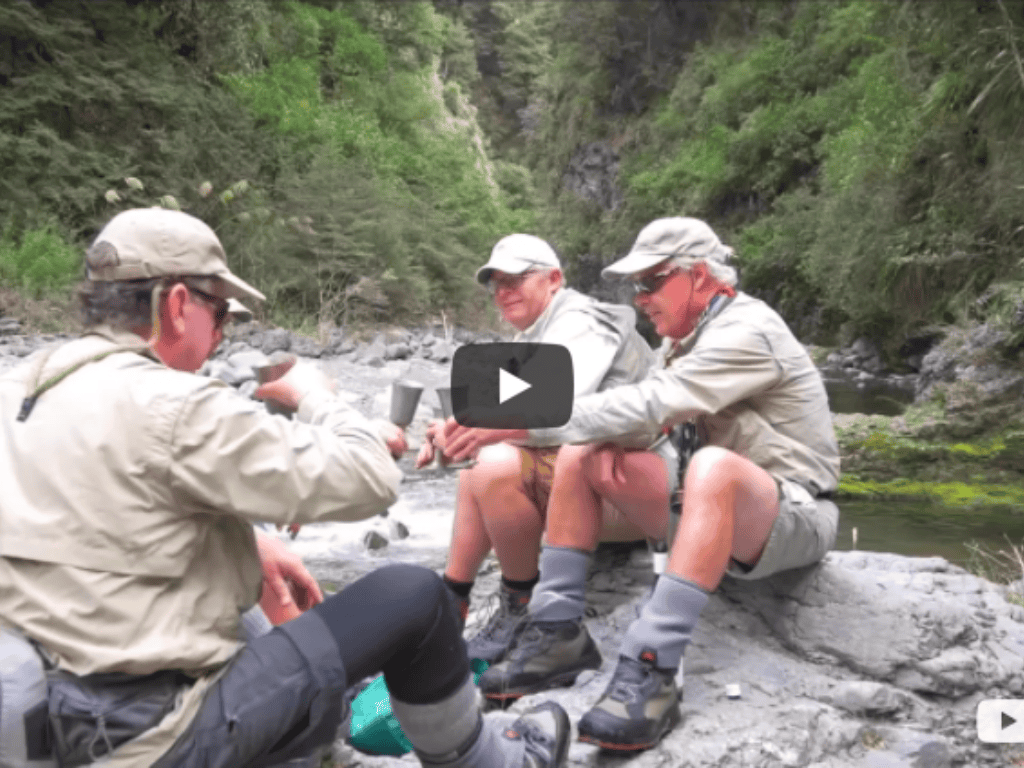
Team Kiwi enjoying fly fishing on the North Island.

Team Kiwi on the North Island

he One Fly Foundation awards and matches grants to projects primarily benefiting conservation education, trout habitat protection and restoration, and natural resource management which benefits trout populations in the Snake River watershed and it tributaries. Each year a charity event takes place in Jackson, WY to benefit the Foundation via fly fishing team entries into a fly fishing tournament and an auction night prior to the start of the competition.

For a number of years The Best of New Zealand has been proud to team with other sponsors to help support this important cause and fun event! Below are a few pictures from the 2017 event which we hope you will enjoy!


Day 1:

With fire on the mountain the approach into Jackson was met with a haze which prevented the normally great views of the Grand Tetons. Below are a few pictures from the various teams signing into the event and getting schedules for the weekend. Half of the big fish board proceeds go to the charity while the other half goes to the winner.

Prior to the tournament starting on Saturday is an auction night. Along with our fellow sponsors Poronui, Stonefly Lodge, Air New Zealand, Tourism New Zealand and Wanaka-based Epic Fly Rods, the Grand Prize for the auction was a great trip to New Zealand for two people. This year the item raised over $22k for the event.

Between Day 1 and 2 of the tournament teams collect at the Gun Barrel to eat Bar-B-Q, enjoy a few drinks and see how they are faring against the competition.

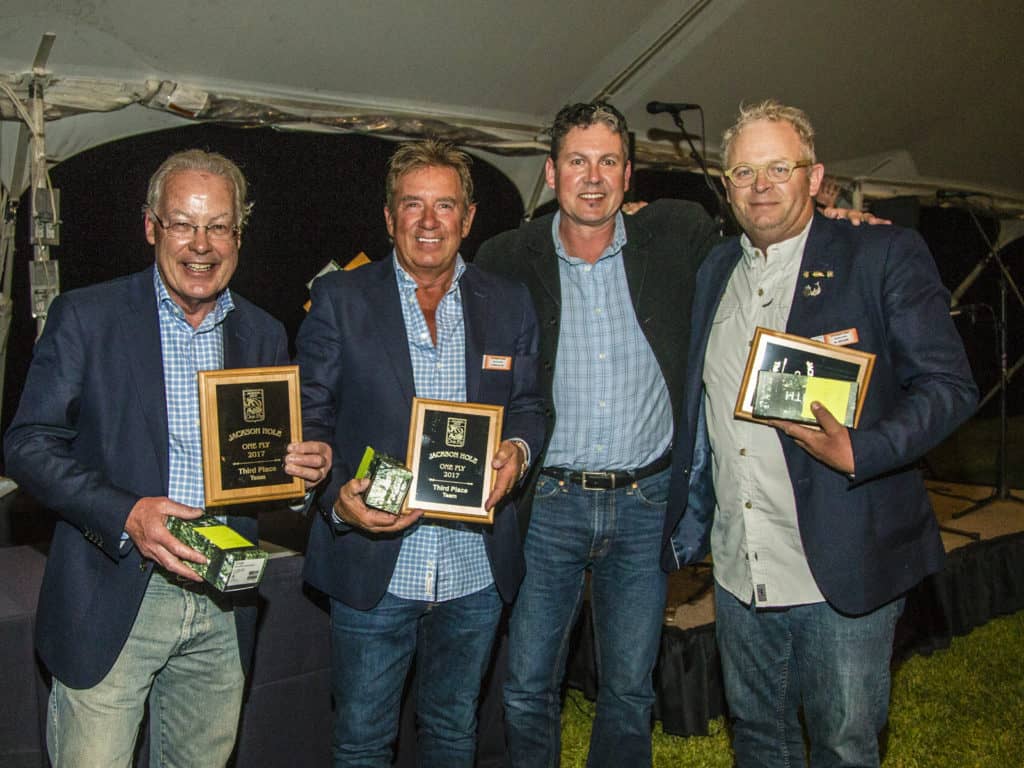
The results of the event speak for themselves! A 3rd place finish for Team Kiwi out of a total of 40 teams. The team took a lot of time out of their busy lives to show up and focus on this even and it was a fantastic showing. Many thanks to Team Kiwi 2017:

  • Carl McNeil
  • Chris Alpe
  • Al Brown
  • Simon Dickie

The Jackson Hole One Fly Foundation Goal:

“To generate, manage and grant funding for projects and education which environmentally benefit the future of trout and fly fishing by annually sponsoring a three-day event uniting enthusiastic fly fishers from around the world with premier regional guides who all endeavor to celebrate the joy and spirit of the sport during the fishing, social and fundraising activities of the event, and who throughout the year, promote that same joy and spirit of fly fishing and the future of the trout.”

Jackson Hole One Fly 2017